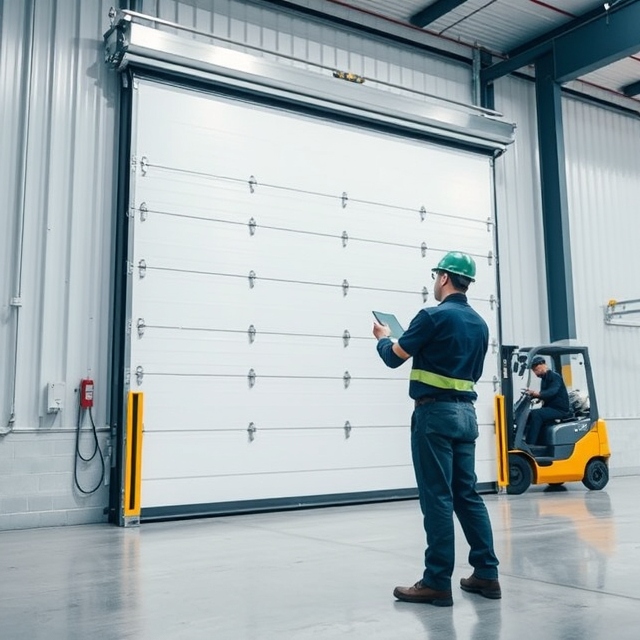
Cold storage door maintenance is essential for keeping refrigerated and freezer access points operating safely and reliably. These doors work in demanding environments where low temperatures, moisture, repeated opening cycles, material-handling traffic, and frost can place additional stress on components.
A preventive maintenance approach focuses on identifying small problems before they affect door operation. Regular checks of seals, tracks, rollers, sensors, frames, panels, and operating mechanisms can help facilities maintain dependable access and identify components that require adjustment or replacement.
Why Cold Storage Door Maintenance Matters
A cold-storage door performs two jobs at the same time: it provides access and helps separate different temperature environments.
When a door does not close correctly, has damaged seals, or develops mechanical problems, the doorway may no longer perform as intended. In freezer environments, moisture can also contribute to frost or ice around the frame and door path.
Maintenance should therefore address both the mechanical and thermal aspects of the door.
A useful maintenance program considers:
- Door movement and alignment
- Tracks and rollers
- Gaskets and seals
- Door panels and frames
- Sensors and controls
- Motors and drive components
- Frost and condensation
- Safety and emergency-release systems
- Hardware and mounting points
Start With a Visual Inspection
A visual inspection is one of the simplest ways to identify developing problems.
Look at the door before operating it and check for visible damage, loose hardware, damaged seals, ice accumulation, unusual gaps, or objects obstructing the travel path.
The door should then be operated normally while staff observe its movement. Changes in speed, unusual sounds, vibration, scraping, or incomplete closing can indicate that further inspection is necessary.
These observations are especially useful when the same door is used frequently throughout the working day.
Check Tracks and Rollers
Sliding cold-storage doors depend on tracks and rollers to guide the door smoothly. Dirt, debris, ice, impact damage, or misalignment can interfere with movement.
During inspection, check whether:
- Tracks are clear of debris and ice
- Rollers move smoothly
- Mounting hardware remains secure
- The door stays correctly aligned
- There is unusual rubbing or vibration
- The door reaches its intended closed position
A forklift impact can also damage tracks or other components even when the visible damage appears minor. Any suspected impact should be assessed before the door continues normal high-frequency operation.
Inspect Gaskets and Seals
Door seals are critical to the boundary between the cold room and the surrounding environment. Damaged, torn, compressed, or poorly positioned gaskets can create gaps around the closed door.
Inspect the full perimeter rather than checking only the most visible section.
Pay attention to:
- Tears or cracks
- Flattened sections
- Gaps at corners
- Frost attached to the seal
- Areas where the seal no longer contacts correctly
- Loose or displaced gasket material
If a seal no longer closes properly, adjustment or replacement may be necessary.
Look for Frost and Condensation
Frost around a freezer door can be more than a cosmetic issue. It may indicate problems involving moisture, sealing, door operation, or the surrounding temperature conditions.
Check the frame, threshold, gasket area, and door path for unusual ice accumulation.
If frost repeatedly returns after being removed, the underlying cause should be investigated instead of simply treating the visible ice. Depending on the door design, the problem may involve a seal, alignment issue, heater system, operating procedure, or another component.
Test Sensors and Safety Features
Automated and high-speed doors often use sensors or other safety devices to detect people, vehicles, or obstructions.
These systems should be checked according to the manufacturer’s maintenance instructions and the facility’s safety procedures.
Look for:
- Dirty or obstructed sensor lenses
- Misaligned photoelectric sensors
- Fault indicators
- Damaged cables
- Incorrect door response
- Problems with emergency release mechanisms
A door should not be considered fully maintained if it operates mechanically but its safety features are unreliable.
Inspect Motors and Operating Components
Powered cold-storage doors contain mechanical and electrical components that can require periodic inspection.
Depending on the design, maintenance may include checking the motor, gearbox, chains, belts, fasteners, control equipment, limit settings, and other drive components.
Maintenance teams should follow the manufacturer’s specifications for lubrication, adjustment, inspection intervals, and replacement parts. Components should not be modified or lubricated with unsuitable materials simply to make the door move more easily.
Build a Preventive Inspection Routine
A practical maintenance routine can be organized around the level of use.
Routine Operator Checks
Operators can look for obvious damage, unusual sounds, incomplete closing, frost buildup, and changes in normal movement.
Periodic Facility Checks
Maintenance personnel can inspect seals, tracks, rollers, fasteners, sensors, frames, and other accessible components more closely.
Scheduled Technical Maintenance
Qualified personnel can inspect drive systems, electrical components, alignment, safety devices, and other technical parts according to the door manufacturer’s requirements.
The exact schedule should reflect the door type, operating environment, cycle frequency, and manufacturer’s instructions rather than applying the same interval to every installation.
Keep Maintenance Records
A maintenance record helps facilities identify recurring problems.
Useful information can include:
- Inspection date
- Door identification
- Observed problem
- Component inspected
- Adjustment or repair performed
- Replacement parts used
- Follow-up required
- Technician or responsible employee
Over time, these records can reveal patterns. For example, repeated roller wear or frequent seal damage may indicate an underlying alignment, traffic, or operating issue.
When Should a Door Be Repaired or Replaced?
Not every problem requires replacing the complete door. Worn seals, damaged rollers, loose hardware, sensor problems, or alignment issues may be addressed through appropriate maintenance.
However, repeated failures, significant structural damage, obsolete components, or changes in the facility’s traffic and temperature requirements may justify a broader review of the door system.
When evaluating cold storage door systems, facilities should consider whether the existing configuration still matches the current workflow. A door that was suitable for occasional access may become less appropriate after warehouse traffic increases or operating conditions change.
Common Questions About Cold Storage Door Maintenance
How often should a cold-storage door be inspected?
Inspection frequency should depend on the door design, operating conditions, traffic level, and manufacturer’s maintenance requirements. High-use doors generally need closer attention than doors used only occasionally.
What are common cold-storage door problems?
Common issues include damaged seals, track or roller wear, misalignment, frost accumulation, loose hardware, sensor faults, and problems with powered operating components.
Why does frost form around a freezer door?
Frost can result from moisture entering a cold environment and may be associated with air infiltration, sealing problems, temperature differences, or door operating conditions. Repeated frost should be investigated rather than repeatedly removed without addressing its cause.
What should operators report immediately?
Operators should report unusual noises, jerky movement, incomplete closing, visible damage, damaged seals, unexpected sensor behavior, significant ice buildup, or any condition that affects safe operation.
Can preventive maintenance extend door service life?
Regular inspection can help identify wear and developing faults before they become larger problems. Following the manufacturer’s maintenance procedures and replacing worn components when necessary can support reliable long-term operation.
Cold storage door maintenance should be treated as an ongoing part of facility management rather than an occasional repair task. By monitoring seals, tracks, rollers, sensors, operating components, frost conditions, and safety systems, facilities can identify problems earlier and keep refrigerated access points aligned with their operational requirements.

